



Can I use a menstrual cup with an IUD? Everything you need to know
16 de April de 2026
How to choose the perfect menstrual cup for you?
16 de April de 2026
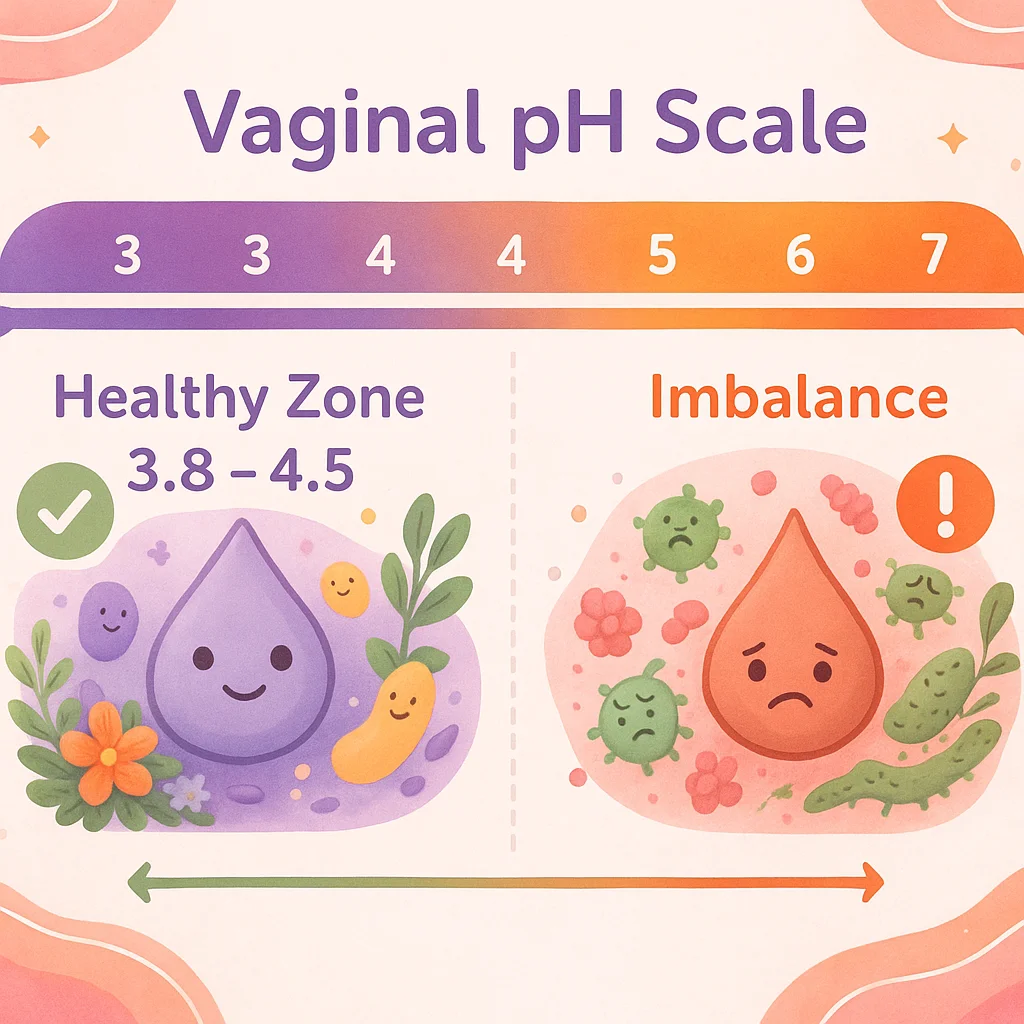
Women's intimate health depends on the balance of vaginal flora, which maintains a pH between 3.8 and 4.5. The menstrual hygiene products you use directly influence this balance.
There are topics that no one talks about clearly. Intimate health is one of them. People discuss products, hygiene, infections… but rarely do they explain what’s behind all that, what is really happening in your body when something goes wrong (or when everything is fine). This guide aims to do just that.
If you want to truly care for your intimate area, the first step is to understand how it works. So let’s start from the beginning.
⚕️ This article is for informational purposes and does not substitute medical advice. Consult your gynecologist or primary care physician for any symptoms or concerns.
Vaginal flora: what it is and how to care for it
The vagina is not an empty space that needs to be sterilized. It is inhabited by millions of microorganisms that work together to keep it healthy. This collection is called vaginal flora or vaginal microbiota, and it has a specific function: to protect you.
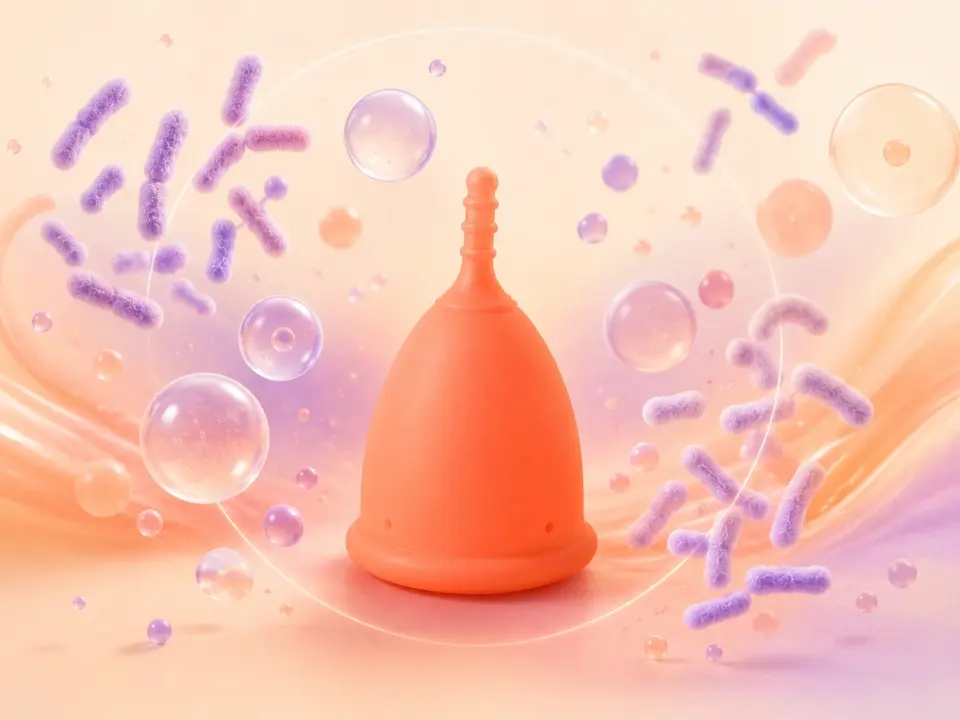
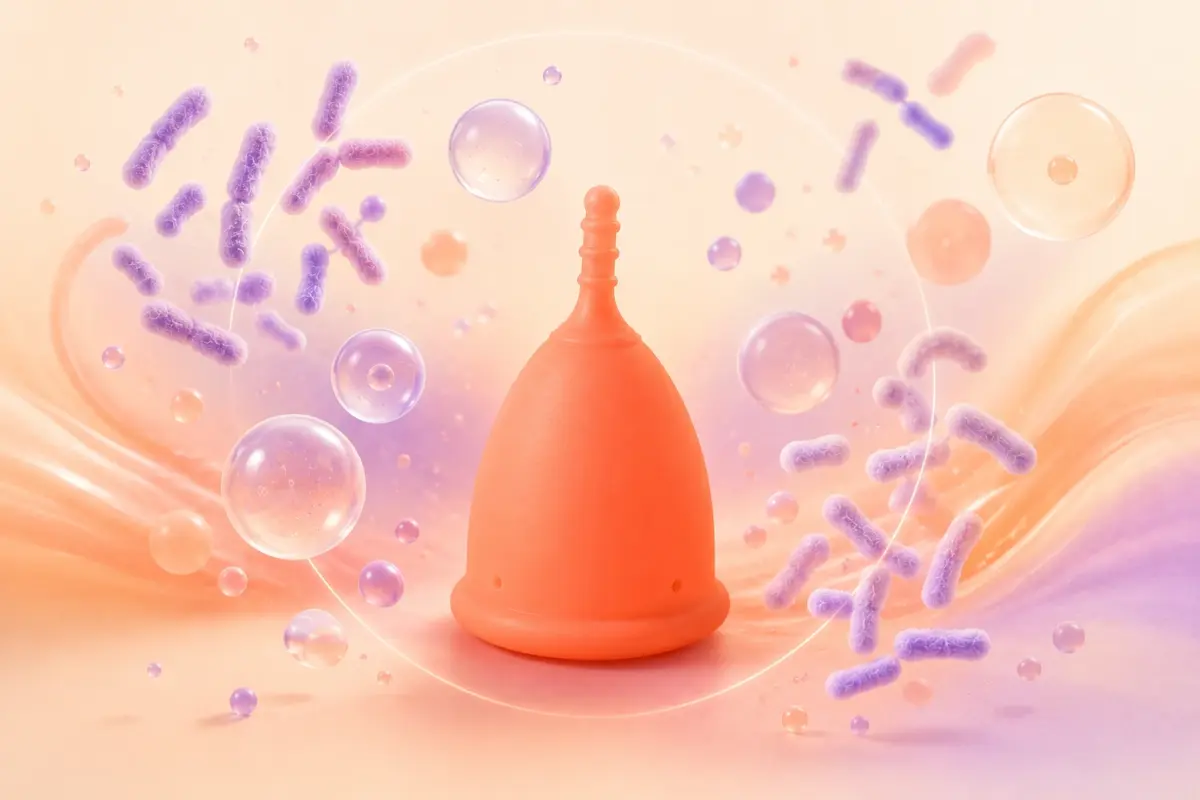
The main player in this microbiota is Lactobacillus, a bacterium that produces lactic acid and maintains the vaginal pH in that acidic range of between 3.8 and 4.5. That level of acidity creates a hostile environment for pathogens, fungi, and bacteria that could cause you problems. When that pH is altered, the ecosystem becomes unbalanced, and that’s when symptoms start: itching, irritation, an unusual odor, discharge that changes in texture or color.
What can disrupt that balance?
- Sustained stress over time (yes, it has a direct impact on the microbiota)
- Hormonal changes: menstruation, pregnancy, menopause, contraceptives
- Antibiotics, which eliminate good bacteria along with the bad ones
- The use of fragrant products or those with harsh ingredients in the genital area
- Menstrual hygiene products that are not compatible with vaginal pH
And here we enter relevant territory for those of you using a menstrual cup or thinking about switching methods. Not all materials behave the same when in contact with the vaginal mucosa, and that has real consequences for health.
Intimate hygiene: what to do and what NOT to do
One of the most widespread —and harmful— beliefs is that the intimate area needs deep cleaning. The vagina is self-cleaning. What needs care is the external area, the vulva. And for that, less is often more.
What helps:
- Wash the vulva with warm water and, if you prefer, a soap with an acidic pH (between 3.5 and 4.5) and no fragrance
- Wear cotton underwear that allows for breathability
- Change your menstrual hygiene method as frequently as recommended
- Dry yourself well after showering, from front to back
What to avoid:
- Internal vaginal douches (irrigations): they eliminate protective flora and increase the risk of infections
- Bath gels, perfumed soaps, or those with alcohol in the genital area
- Pads or panty liners with plastic that prevent the skin from breathing
- Tight clothing made of synthetic fabrics for prolonged periods
If during menstruation you experience skin irritation, you may want to understand what factors contribute to that sensitivity. It’s not always the cycle itself: sometimes the problem lies in what you are using.
Candidiasis and vaginosis: prevention before treatment
These are the two most common intimate infections, and they are often confused. Although they share some symptoms, they have different causes and are treated differently.
Vaginal candidiasis
It is caused by the fungus Candida albicans, which normally lives in the body but multiplies excessively when conditions allow: altered pH, heat, humidity, antibiotics, lowered defenses. Typical symptoms include intense itching, white discharge with a curd-like appearance, and in some cases, burning during urination.
Bacterial vaginosis
Here the problem is not a fungus but a bacterial imbalance: anaerobic bacteria outnumber Lactobacillus. The most characteristic symptom is a grayish discharge with a strong odor, especially after sexual intercourse. It can occur without evident symptoms, which makes many people unaware that they have it.
How to reduce the risk of both?
- Avoid products that alter vaginal pH (alkaline soaps, perfumes, intimate deodorants)
- Do not prolong the use of tampons or damp pads longer than recommended
- Use menstrual methods made from materials that do not disrupt the microbiota
- Maintain annual gynecological check-ups even if you have no symptoms
- If you are taking antibiotics, consult your doctor if it is advisable to take probiotics at the same time
Remember: both candidiasis and bacterial vaginosis require medical diagnosis. Self-medicating can mask symptoms and hinder proper treatment. If you have questions about urinary tract infections, another common issue in the pelvic area, you can also learn about their symptoms and causes to distinguish it.
Menstrual cup and vaginal pH: is there a relationship?
It's a legitimate and common question: if the cup stays inside for hours, can it affect the vaginal environment? The short answer is that it depends, fundamentally, on the material it is made of.
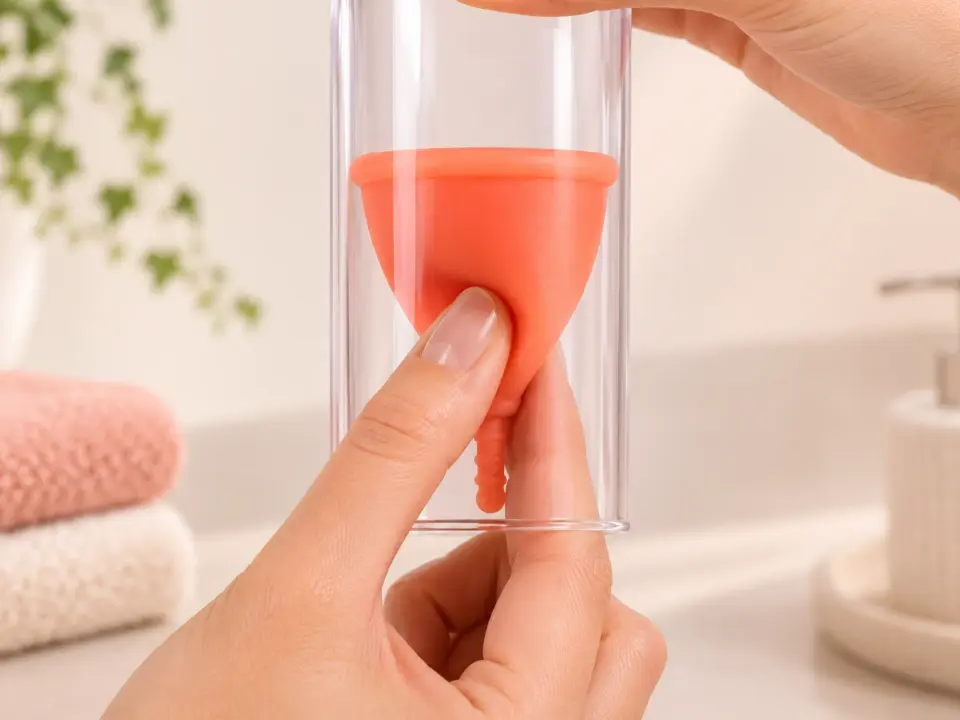
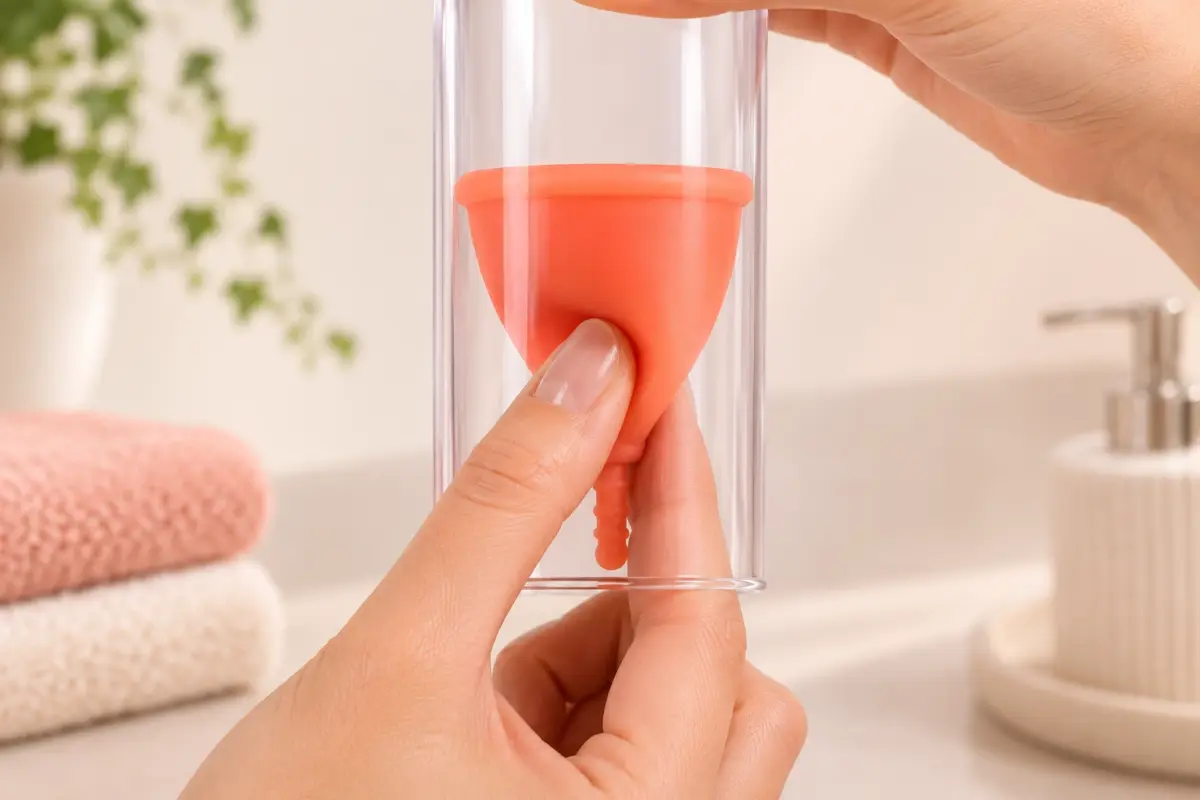
A menstrual cup made of high-quality medical silicone does not alter vaginal pH. Silicone is an inert material: it does not release chemicals, does not react with bodily fluids, and does not promote bacterial growth. That's why it is the reference material for medical devices in prolonged contact with mucous membranes.
The problem may arise with lower quality materials or cups made with silicone that does not meet medical standards. Some products on the market use industrial silicone or mixtures of materials that can release residues when in contact with body heat or fluids. This can indeed cause irritation or imbalances in the flora.
Another factor that influences is the hygiene of the cup: a poorly sterilized cup or one stored incorrectly can introduce microorganisms that shouldn't be there. That's why proper maintenance is an inseparable part of safe use.
If you're considering making the switch, the menstrual cups available at Papayacup are designed to be compatible with long-term vaginal health.
Why medical silicone matters
Not all silicone is the same, even if it looks that way from the outside. There are different grades of silicone depending on its purity, manufacturing process, and the additives it contains. For a product that will be in direct contact with the vaginal mucosa for hours, the grade of silicone matters a lot.
What differentiates medical silicone?
- It contains no BPA or phthalates, hormone disruptors found in some plastics
- It is hypoallergenic: the rate of allergic reactions is extremely low
- It is non-porous: it does not accumulate bacteria or odors over time
- It withstands sterilization temperatures without degrading or releasing particles
- It is regulated and tested under strict health safety standards
In the market for menstrual products, there is a huge variation in the quality of materials. Some manufacturers do not specify what grade of silicone they use because they are simply not using medical silicone. The difference is not always visible at first glance, but it has consequences for the safety of the product and the impact it can have on your intimate health.
Safe materials from Papayacup
At Papayacup, we work exclusively with medical silicone. Not because it is the most economical option —it is not— but because it is the only one we consider suitable for a product that will be in direct contact with your vaginal mucosa for hours.
Medical silicone is inert, does not release substances, is non-porous, and withstands sterilization temperatures without degrading. It is the same material used in implants and medical devices for a reason: its safety record is solid and well documented.
Your intimate health starts with what you choose
Taking care of your intimate area is not complicated, but it does require making conscious decisions: what products you use, what they are made of, and whether they are truly compatible with your body.
The vaginal flora does its job every day without you noticing. The least you can do for it is not to put obstacles in its way.
If you are thinking about making the leap to a menstrual cup or a menstrual disc, or just want to know more about the materials that come into contact with your body, at Papayacup you will find all the information you need to make an informed decision. No rush and no fine print.
👉 Discover our menstrual cups and our menstrual disc and find the option that best suits you.
⚕️ This article is for informational purposes and does not replace a consultation with a medical professional. If you experience persistent symptoms or have questions about your intimate health, consult your gynecologist.
Frequently asked questions about intimate health
A well-maintained medical silicone cup does not alter vaginal pH. Medical silicone is an inert material that does not release substances or react with bodily fluids. What can affect pH is the use of lower quality materials or inadequate hygiene of the cup. You can learn more about the materials we use on our materials page.
There is no evidence that a well-maintained cup made with appropriate materials causes candidiasis. The risk arises when the cup is not properly sterilized between cycles, when it is stored wet, or when the material is not suitable. Vaginal candidiasis has various causes —hormonal, immunological, related to antibiotics— and the cup is rarely the triggering factor.
The most recommended is a soap with an acidic pH (between 3.5 and 4.5), fragrance-free, alcohol-free, and paraben-free. Use it only on the external area (the vulva) and never inside the vagina, which cleans itself naturally. If you can't find a specific product, warm water alone is sufficient.
Yes, medical silicone is one of the safest materials available for devices in prolonged contact with the body. It is biocompatible, hypoallergenic, non-porous, and resistant to sterilization temperatures. That’s why it is also used in implants, catheters, and other medical devices. The key is to verify that the product you purchase clearly specifies what type of silicone it uses. At Papayacup, you can check this on our materials page.
The general recommendation is an annual gynecological check-up, although it may vary depending on your health history or if you are going through hormonal changes (pregnancy, postpartum, perimenopause). Don't wait until you have symptoms to go: preventive check-ups allow for problems to be detected before they develop. Your primary care physician can guide you on the most appropriate frequency for your case.