



What is dopamine and how does it impact your daily motivation?
5 de March de 2026
Cystitis Symptoms and Common Causes
6 de March de 2026
Intimate area hair removal is a personal decision that varies according to individual preferences, lifestyle, and comfort. However, when it comes to removing pubic hair, the risk of irritation, cuts, or folliculitis is significantly higher than in other areas of the body. The skin in this area is thinner, more sensitive, and is in constant contact with fabrics, moisture, and friction.
The purpose of this guide is not to convince you to shave or to stop doing it. It is to provide you with clear information based on real experience so that, if you decide to do it, you can minimize discomfort and take care of your skin before, during, and after the process.
Knowing your skin well and choosing the right method makes a huge difference. And that is precisely what we are going to detail here: what options exist, what works for each skin type, and what mistakes to avoid.
Methods for Pubic Hair Removal: Advantages and Limitations
Not all hair removal methods work the same in the pubic area. Each one behaves differently depending on hair thickness, skin sensitivity, and how often it is done.
Shaving with a Razor
This is the most accessible and quick method. However, it also carries the highest risk of cuts, folliculitis, and ingrown hairs. The razor cuts the hair at the surface level, which causes the hair to grow back with a coarser tip that tends to curl inward, especially in individuals with thick or curly hair.
To reduce irritation with this method, it is advisable to use a multi-blade razor in good condition, apply shaving gel or foam (never shave dry), and always shave in the direction of hair growth. After shaving, avoid tight clothing for the first few hours.
Waxing
Wax removes hair from the root, providing a more long-lasting result (between two and four weeks, depending on the growth cycle). It is a common option both at home and in beauty salons. Warm wax is usually gentler on the intimate area than cold wax, as it slightly opens the pore and facilitates extraction.
The main drawback is the pain during pulling, which is more intense in areas like the groin or labia. Additionally, it requires the hair to be at least half a centimeter long for the wax to adhere properly. It is not advisable to apply wax just before or during menstruation, as skin sensitivity tends to be higher on those days. If you experience skin irritation during menstruation, it is best to wait until the cycle has passed before performing this type of hair removal.
Depilatory Creams
Depilatory creams dissolve hair using chemical agents. The result is similar in duration to shaving but with a smoother finish to the touch. Its main risk in the pubic area is allergic reactions or chemical irritation, as the skin is particularly reactive. If you choose this method, always perform a patch test on a small area at least 24 hours prior.
Laser Hair Removal or Intense Pulsed Light
This method offers the most long-lasting results and progressively reduces hair density. It requires several sessions and a higher financial investment, but in the long run, it generates the least irritation. It is important to go to a qualified professional, as a poorly calibrated laser can cause burns or hyperpigmentation, especially in darker or tanned skin.
Electric Trimmer
An intermediate alternative that does not remove hair completely but reduces it to a comfortable and manageable length. It produces the least irritation, as there is no direct contact of the blade with the skin. It is useful for those who prefer to maintain some hair without sacrificing cleanliness and comfort.
Preparing Your Skin Before Hair Removal
Preparation directly influences the outcome. Clean, exfoliated, and hydrated skin responds much better to any hair removal method.
The most advisable approach is to exfoliate the area with a gentle scrub one or two days prior, not on the same day. This helps to release any hairs that may be trapped beneath the skin and facilitates a cleaner hair removal. On the day of hair removal, simply wash the area with warm water and a neutral soap or one specifically for intimate hygiene.
Avoid applying creams, oils, or intimate deodorants before hair removal, as they can create a layer on the skin that complicates the process and increases the risk of irritation afterward.
Post-Pubic Hair Removal Care
Post-hair removal care is just as important as the technique itself. The intimate area needs recovery time that varies depending on the method used and individual sensitivity.
Right after hair removal:
- Apply a fragrance-free soothing cream or pure aloe vera gel.
- Avoid sun exposure, swimming pools, or saunas for 24-48 hours.
- Wear loose cotton underwear to reduce friction.
- Avoid excessive touching of the area or applying intimate deodorants.
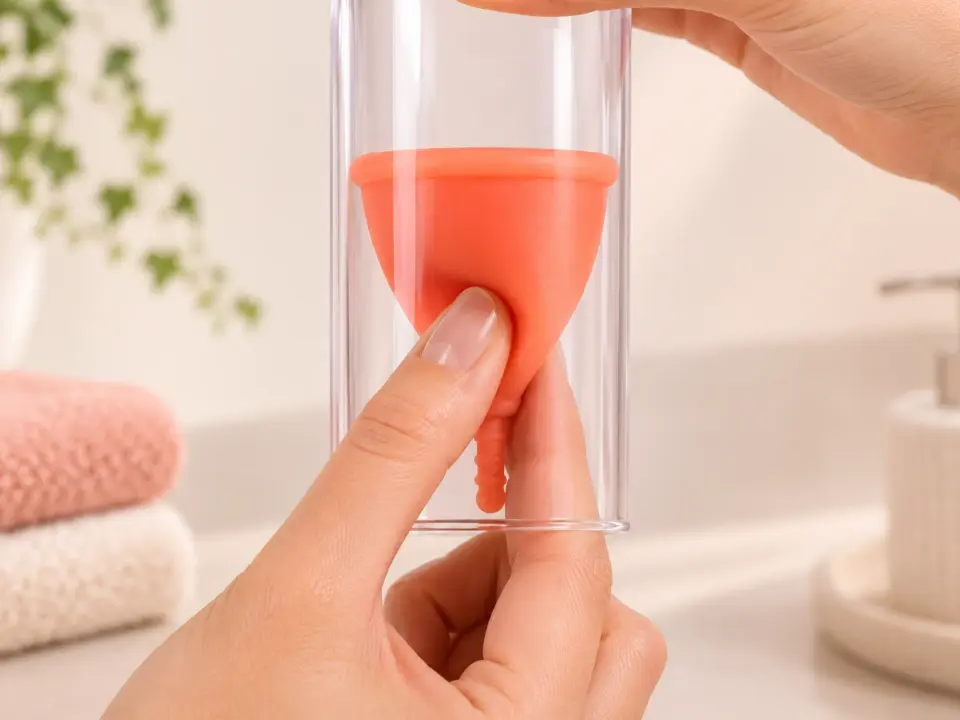
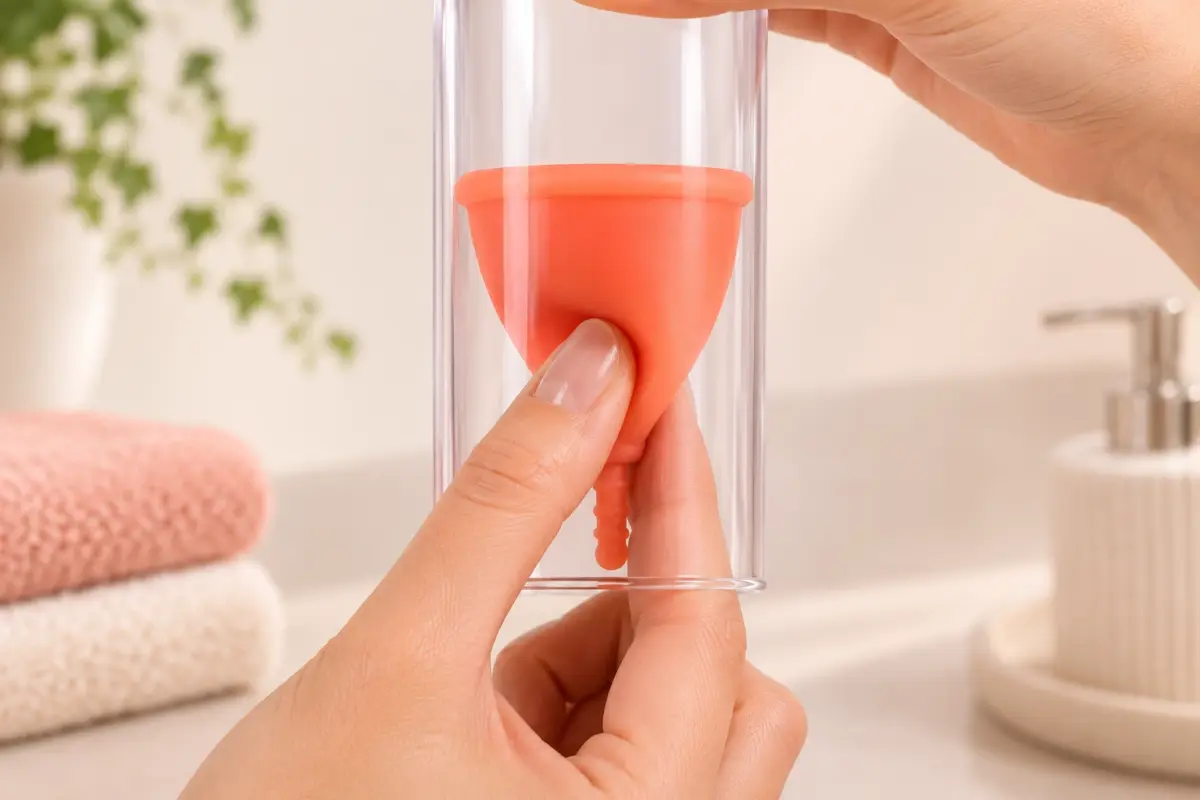
If you use reusable menstrual hygiene products like a menstrual cup, keep in mind that after hair removal, it is advisable to wait at least one day before inserting any vaginal product, to allow the skin time to recover. The same applies in the case of the menstrual disc: waiting significantly reduces the risk of discomfort.
Common Mistakes When Waxing the Intimate Area
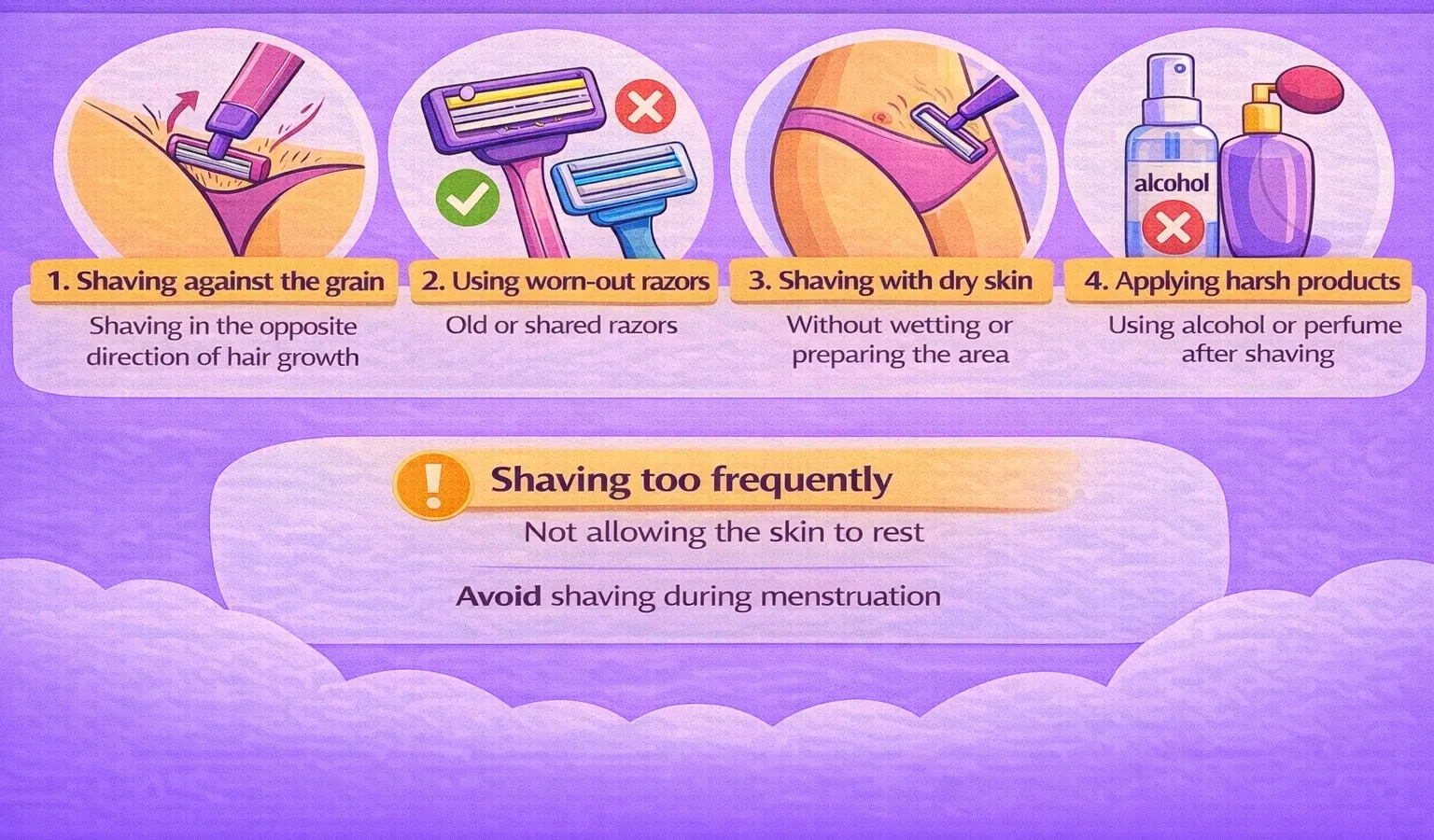
Many of the problems associated with pubic hair removal are not due to the method itself, but rather to practices that are repeated out of ignorance. The most common ones include:
- Shaving against the direction of hair growth.
- Using worn or shared blades.
- Waxing on dry skin or without prior preparation.
- Applying harsh products (alcohol, perfume) immediately afterward.
- Waxing too frequently without allowing the skin to rest.
Another common mistake is not considering the timing of the menstrual cycle. During the days leading up to the period and during it, hormone levels can significantly increase skin sensitivity. This not only affects pain tolerance but also the tendency for irritation and breakouts. If you notice that your skin reacts worse at certain times of the month, it may be related to changes like those described in the article about skin irritation during menstruation.
Intimate Hair Removal and Hygiene: What You Need to Know
There is a widespread belief that removing pubic hair improves hygiene. In reality, hair serves a protective function: it acts as a barrier against bacteria and reduces direct friction on the skin. Removing it is not unhygienic, but it is also not more hygienic than keeping it.
What really matters is the hygiene of the area, regardless of whether there is hair or not. Washing with water and a mild soap, changing underwear frequently, and using appropriate menstrual hygiene products is what makes the difference. Some people notice that when they remove hair, they perceive more odors: this is because hair retains some moisture. If you are interested in understanding this topic better, you can check this guide on odor during menstruation, which explains the causes and how to manage it.
In any case, the choice to remove hair or not is entirely personal and should not be influenced by myths about cleanliness or aesthetics. The important thing is to do it safely if you decide to proceed.
When It’s Better Not to Wax
There are situations where it is preferable to postpone waxing. If you have an active infection, open wounds, sunburn, or an ongoing allergic reaction, waxing can considerably worsen the condition of the skin. It is also advisable to avoid it if you are using certain topical medications like retinoids, as they increase skin sensitivity. If in doubt, consult a healthcare professional before proceeding.
FAQ: Waxing Pubic Hair
The electric trimmer, as it does not pull hair or touch the skin directly. If you are looking for complete removal, shaving with good technique is usually more tolerable than waxing.
Yes, it is usually due to mild folliculitis. Exfoliate beforehand and apply a soothing product afterward. If they persist or hurt, consult a dermatologist.
You can, but the skin will be more sensitive and the risk of irritation is higher. If you use a menstrual cup or menstrual disc, remove them beforehand and wait a while before reinserting.
With a razor, hair regrows in two to three days. With wax, between two and four weeks. With laser, it reduces progressively. The important thing is to let the skin rest between sessions.
Not directly, but it is advisable not to insert the cup or disc right after waxing if the area is irritated. Wait at least a day for the skin to recover.