

Menstrual Blood: What the Different Colors Mean
25 de December de 2025
Odor during period: When is it normal and when should you look into it?
26 de January de 2026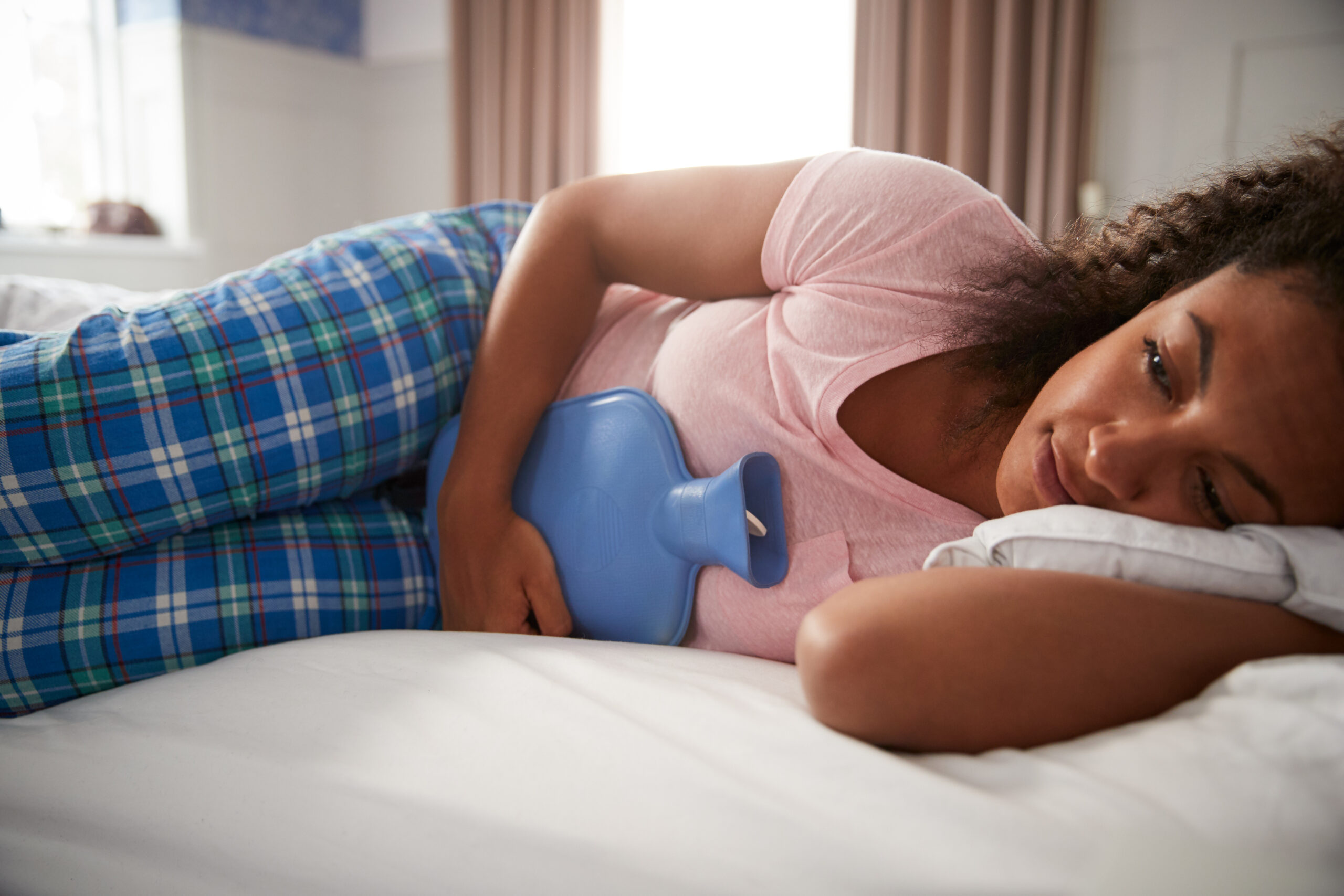
There are cycles when you notice it upon waking up: bloated belly, a more tense abdomen, clothes feeling tighter, and even though you eat the same as always, you feel fuller. Sometimes it comes with gas or constipation; other times, with the feeling of "retaining fluids."
Inhaltsverzeichnis
- Quick definition to understand it in 10 seconds
- In 30 seconds: what to do today if you feel bloated (24-48h plan)
- How it feels (and why sometimes it seems like "two different bloating types")
- Why bloating appears before and during your period (real causes)
- Quick difference: bloating before vs during
- How to relieve period bloating (concrete and realistic actions)
- 1) Smart hydration (yes, even if you're retaining fluids)
- 2) 48 hours without “extra salt”: the fastest change
- 3) “Belly-friendly” dishes when bloated (ideas)
- 4) Fiber: adjust according to your symptoms (there's no one-size-fits-all rule)
- 5) Walking “deflates” (it’s not a myth)
- 6) Local heat for tension + sensitivity
- 7) Sleep: the silent multiplier
- Can the menstrual cup or disc influence bloating?
- When to consult (without normalizing everything)
- FAQ: Bloating before your period
- Notice
In most cases, period bloating is temporary and is usually explained by a mix of hormonal changes + more sensitive digestion + habits (sleep, salt, movement).

Notice
PapayaCup does not replace medical advice. This article is for informational purposes and is designed to help you better understand your body. If you experience discomfort, have concerns, or notice unusual changes, please consult your doctor.
🧠 Updated: review this content if your symptoms change or if bloating occurs outside of your cycle frequently.
Quick definition to understand it in 10 seconds
Period bloating is a distension or sensation of a bloated abdomen that can appear before and/or during your period due to water retention, changes in intestinal motility (slower digestion, gas, constipation/diarrhea), and increased abdominal sensitivity.
In 30 seconds: what to do today if you feel bloated (24-48h plan)
If you feel particularly “bloated” today, try this for 1–2 days:
- ✅ Water sipped throughout the day (not all at once at night)
- ✅ Reduce salt and processed foods (snacks, sauces, prepared food)
- ✅ Walk 20-30 minutes (gentle but steady)
- ✅ Local heat on the lower abdomen for 15–20 minutes
- ✅ Light dinner (small portions, easy to digest)
- ✅ If there’s gas: cooked vegetables and small servings
💡 Sign you're on the right track: the next day you notice less tightness and your abdomen feels less firm to the touch.
How it feels (and why sometimes it seems like "two different bloating types")
“Bloating” can mean different things. Identifying it helps you act more effectively:
- Distension: a more protruding abdomen “as if you had eaten a lot”
- Low pressure (more noticeable when sitting)
- Slow digestion: you fill up quickly, feeling of heaviness
- Gas: a belly that changes throughout the day, noises or discomfort
- Retention: tight rings, slightly puffier face, heavy legs
🧠 Helpful tip: if it worsens in the afternoon and improves in the morning, it typically indicates a combination of digestion + fluids + movement.
Why bloating appears before and during your period (real causes)
1) Water retention (most common before your period starts)
In the phase before your period (luteal phase), many people retain more water. This is noticed as:
- “Everything feels tight”
- More volume in the abdomen/legs
- More thirst or cravings for salty food (which makes it worse)
What triggers it quickly: more salt + processed foods + little sleep + less movement.
2) Digestive changes: intestinal motility + gas
During PMS and menstruation, your gut may become more sensitive. It's common to experience:
- Getting full faster
- Worse tolerance to certain foods than usual
- Alternating constipation/diarrhea
Typical sign: your belly feels “ballooned” and changes size throughout the day.
🧠 Simple explanation: hormonal changes (including progesterone) can affect motility; and during menstruation, mediators like prostaglandins can also affect the gut in some people.
3) Abdominal sensitivity and tension (during menstruation)
During menstruation, you may experience:
- More sensitivity to touch
- Muscle tension in the area
- Cramps causing you to “clench” your abdomen, increasing the feeling of pressure
Local heat and gentle movement often help here
4) The “invisible combo”: habits that change without you realizing
The week before your period may bring:
- Less energy → fewer steps
- More cravings → more salty/sweet foods
- Worse sleep → more retention + poorer digestion
Sometimes it’s not “just hormones”: it’s the sum of all factors.
Quick difference: bloating before vs during
- Before your period: retention + slow digest

How to relieve period bloating (concrete and realistic actions)
1) Smart hydration (yes, even if you're retaining fluids)
Drinking water consistently helps regulate fluids and digestion.
How to do it right:
- 1 glass when you wake up
- Then sip water throughout the day
✅ Better: water, mild teas
⚠️ If you have gas: limit fizzy drinks and chewing gum (they increase swallowed air)
2) 48 hours without “extra salt”: the fastest change
You don’t need a perfect diet: just cut back for 2–3 days:
- Cured meats, snacks, canned soups/creams
- Prepared sauces
- Very salty foods (including "healthy" pickles if you overdo it)
💡 If you eat out: ask for "less salt" and avoid sauces.
3) “Belly-friendly” dishes when bloated (ideas)
When your abdomen is sensitive, simplifying your meals often helps:
- Rice or potatoes + simple protein (egg, fish, tofu)
- Cooked vegetables (zucchini, carrots, pumpkin)
- Mild homemade soup (no excess salt)
- Yogurt/fermented foods if they agree with you
⚠️ If you have a lot of gas, for a few days reduce:
- Onion, cabbage, legumes in large servings
- Large salads (lots of raw foods)
Not because they’re "bad," but because your tolerance may decrease during this phase of the cycle.
4) Fiber: adjust according to your symptoms (there's no one-size-fits-all rule)
- If you're constipated: increase fiber gradually + water + walking
- If you have a lot of gas: prioritize cooked foods and small portions; avoid "fiber bombs" all at once
💡 Sign of the correct adjustment: less pressure after eating.
5) Walking “deflates” (it’s not a myth)
Walking for 20-30 minutes helps to:
- Move fluids
- Activate the intestines
- Reduce abdominal tension
If you don’t feel like it: 10 + 10 + 10.
6) Local heat for tension + sensitivity
Hot water bag or heating pad for 15-20 minutes:
- Reduces the feeling of pressure
- Relaxes the area
- Makes it easier to move (which helps even more)
💡If you’re considering switching to a menstrual disc, which can provide added comfort during your period, read our complete guide on how it works for more information on how this alternative menstrual product might help with bloating and overall comfort.
7) Sleep: the silent multiplier
With little sleep, you may experience:
- More cravings
- More retention
- Worse digestion
💡 Simple action: have dinner earlier and lighter for two nights in a row. If you're looking for solutions to manage your period while sleeping comfortably, especially with products like the menstrual disc, you can check our step-by-step guide on how to insert a menstrual disc. This can help you stay comfortable and avoid discomfort throughout the night.
Can the menstrual cup or disc influence bloating?
In general, neither the menstrual cup nor the disc directly cause bloating. What usually causes the distension at this stage is water retention and changes in the digestive system, especially during premenstrual syndrome (PMS). However, it’s important to note that using the cup or disc can indirectly influence how you feel.
When you feel more comfortable using these products, you might move more freely and feel less pressure, which can decrease the sensation of bloating—not because the cup or disc "deflates" magically, but because the combination of factors influences your overall well-being. Additionally, being more active can help the body manage fluid retention better, which may help reduce the bloating sensation.
💡 Read more about how to improve your experience and relieve menstrual symptoms:
- Size guide for the menstrual cup: Find the right size for your comfort and health.
- Manual and first days: Tips for a comfortable and worry-free experience with your cup or disc.
- Menstrual pain, what to do: Everything you need to know to relieve those painful menstrual cramps.
When to consult (without normalizing everything)
Consult with a professional if:
- The bloating is very intense, painful, or appears outside of your cycle
- The pain prevents you from living normally
- There is heavy bleeding, dizziness, fever, or persistent vomiting
- It clearly worsens month by month or significantly changes your pattern
FAQ: Bloating before your period
Yes. It’s common due to water retention and digestive changes during PMS.
Drink water throughout the day, reduce salt, walk a bit, apply heat locally, and have a light dinner.
It usually lasts in the days before and/or the first days of your period. If it lasts many days outside of your cycle or changes your pattern, consult a doctor.
Because stress, sleep, activity, salt intake, or processed foods may change, along with your digestive tolerance.
Normally no. If you feel pressure or internal discomfort, it’s usually due to the size or placement: check the size guide and usage instructions.