



Increasing fertility: the best tips when you want a baby
24 de October de 2025
Intimate Care for Women: How to Keep Your Vulva Healthy
15 de November de 2025
What you really need to know about menstruation, pain, nutrition, and intimate care during your period!
Inhaltsverzeichnis
- 1. Your cycle is more than just "the period"
- 2. The color of your period blood actually reveals something
- 3. Menstrual pain is common, but not inevitable
- 4. You can exercise completely normally during your period
- 5. Nutrition can really influence your cycle
- 6. Menstruation isn't a taboo: knowledge is self-care
- 7. Your period is a health indicator
- Our conclusion about menstruation
- FAQ: Frequently asked questions about menstruation
Many people only know menstruation as a monthly nuisance, but your cycle is much more than that.
It reflects how well your body is in balance. Still, countless misunderstandings circulate: about pain, bleeding duration, mood swings, or intimate hygiene. This article clears up outdated myths about menstruation / period bleeding, shows you scientifically proven facts and gives you the knowledge you really need about your body.
1. Your cycle is more than just "the period"
Many people think of menstruation only as bleeding. Actually, your menstrual cycle consists of four phases and each influences your body in different ways:
Phase | Duration (average) | What happens | Effect on body & mood |
Menstrual phase | 3–7 days | Shedding of uterine lining | Low energy, rest phase |
Follicular phase | approx. 7–10 days | Building new lining, estrogen rises | Energy increases, creativity grows |
Ovulation phase | 1–2 days | Ovulation, most fertile time | High libido, skin often clearer |
Luteal phase | 10–14 days | Progesterone dominates | PMS possible, need for rest grows |
The WHO states that a cycle length between 24 and 35 days is completely normal. Fluctuations of a few days are not a sign of illness, but show that your body is responding flexibly.

Papaya Tip: If you want to better understand your cycle, keep a cycle diary or use an app. This way you'll quickly recognize which phase gives you particular energy and when it's better to allow rest.
2. The color of your period blood actually reveals something
Many people get scared when menstrual blood is darker or brownish.
But: color and consistency are valuable clues, not warning signals.
- Bright red: fresh blood, normal flow
- Dark red to brown: older blood, usually towards the end of period
- Reddish with clumps: common when bleeding is heavier
- Watery light: may indicate low hormone levels or iron deficiency
According to an analysis by Statista, 74% of women reported that the color of their bleeding regularly changes during the cycle, completely normal then.
Papaya Tip: Pay more attention to accompanying symptoms like strong odor, pain, or unusual duration. Then it can be useful to mention it at your next doctor's visit. In most cases, however, everything is fine.
3. Menstrual pain is common, but not inevitable
Many women consider period pain unavoidable. In fact, according to a study by Charité Berlin, around 70% of women regularly experience discomfort during menstruation, but only a portion of them experience severe pain.
What many aren't aware of: pain is caused by so-called prostaglandins - messenger substances that stimulate the uterus to contract. Movement, heat, balanced nutrition, and relaxation measurably lower their levels.
Naturally helpful | Supportive | Better to avoid |
Movement (yoga, walking) | Hot water bottle, herbal tea | too much caffeine |
Magnesium, omega-3 | Papaya Hormone Tea | alcohol, nicotine |
Light stretching | Stress reduction | sugar-rich diet |
Papaya Tip:
The Papaya Hormone Tea can help support hormonal balance through its plant-based ingredients.
This short YouTube video shows you in an easy-to-understand way what happens in your body during your period - and why cramps occur:
4. You can exercise completely normally during your period
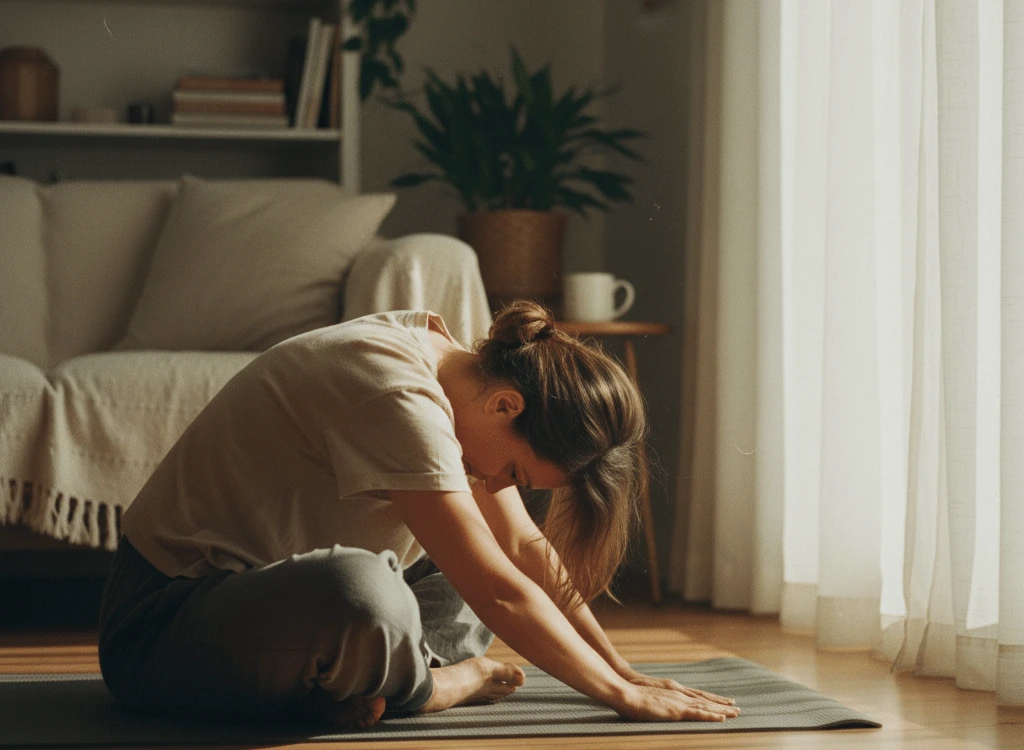
Many still believe that exercise during period bleeding is harmful. The opposite is true: light movement can significantly reduce cramps and mood swings.
According to a survey, 61% of women exercise regularly and 45% of them also during menstruation, because it makes them feel better.
During your period, the level of your body's own endorphins rises when you move.
This works like a natural pain reliever. Recommended are gentle activities like yoga, cycling, or walking.
Recommended | Good for pain | Better to avoid |
Yoga, stretching | Walks, light cycling | intense HIIT |
Swimming | Relaxation yoga | Training without warming up |
gentle strength training | Stretching, heat | Competitive sports with heavy blood loss |
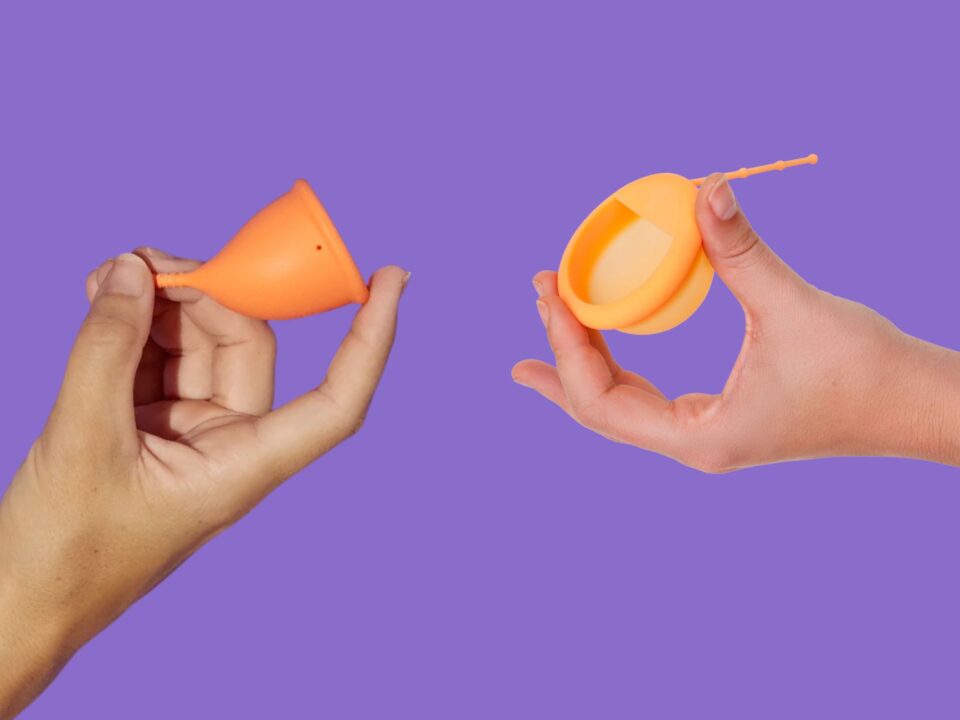
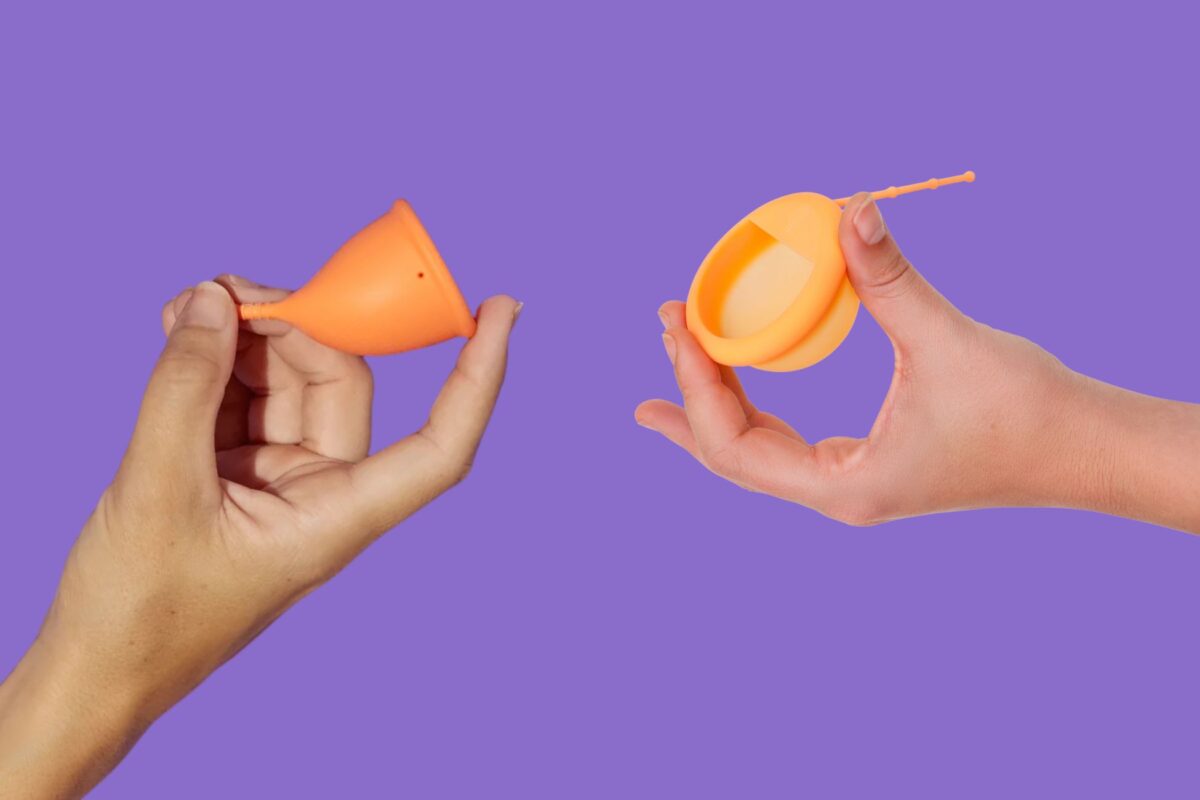
Papaya Tip: If you use a menstrual cup or menstrual disc, you can move freely during sports, as it always stays securely in place.
And after training, you can easily clean it in the PapayaCup Sterilizer.
5. Nutrition can really influence your cycle
A balanced diet has a direct impact on hormone balance and well-being. Studies show that women with nutrient-rich, anti-inflammatory diets suffer less from PMS symptoms.
Foods | Effect | Why helpful |
Legumes, whole grains | stabilize blood sugar | less cravings |
Omega-3 fatty acids (salmon, chia seeds) | anti-inflammatory | relieve cramps |
green vegetables, iron-rich foods | support blood formation | important for heavier bleeding |
Herbal tea (e.g., our PapayaCup herbal tea) | relaxing, hormone-regulating | promotes well-being |
Papaya Tip: Especially in the luteal phase, i.e., before your period, herbs like lady's mantle or yarrow can help gently support the body.
6. Menstruation isn't a taboo: knowledge is self-care
Despite social media and education, many women are reluctant to talk about their period. According to a survey, 42% of respondents find it "uncomfortable" to talk about menstruation, even among friends. This shows: shame is unfortunately still an issue.
Yet knowledge about your own body is an act of self-care. Those who understand how the cycle works can care for themselves more specifically: in nutrition, training, and recovery.
Our goal at PapayaCup is to speak openly about women's health, without taboos but with respect. In our PapayaCup Blog you'll find articles about cycle knowledge, hormone balance, and sustainable period products.
7. Your period is a health indicator
Regularity, color, strength, and pain say a lot about your health. A very irregular cycle, unusually heavy bleeding, or missed periods can be signs of hormonal imbalances or deficiency states.
The German Society for Gynecology and Obstetrics (DGGG) recommends consulting a doctor if you notice noticeable changes.
Don't see your period as a disturbance, but as a signal. A healthy cycle shows that your body is functioning and that you're taking care of yourself.
Our conclusion about menstruation
So menstruation is not an enemy, it's more of a mirror of your health and a part of you. When you better understand your cycle, you also learn to listen to your body, with all its signals, moods, and needs.
Conscious nutrition, gentle movement, and loving care can achieve a lot. That's exactly what PapayaCup stands for: for openness, knowledge, and natural support in every cycle phase, so you feel connected with your body instead of fighting against it.
FAQ: Frequently asked questions about menstruation
Between three and seven days is completely normal. If your period is sometimes shorter or longer, it's usually no cause for concern; what's important is that your cycle remains regular and you feel comfortable. Every body has its own rhythm.
Brown blood is usually older menstrual blood that flows more slowly, especially at the beginning or end of your period. This is completely harmless. Only if the color or odor is unusual or if you have pain should you consult your gynecologist as a precaution.
Yes! Gentle movement can actually relieve cramps. Yoga, walking, or light stretching stimulate circulation and release endorphins, your natural happiness hormones.
It's important: Listen to your body. If you feel sluggish, it's also perfectly fine to rest.
Tip: If you want to learn more about natural help for period pain, check out our blog article "Understanding & relieving period pain".
After each cycle, you should clean your PapayaCup Menstrual Cup in the sterilizer, simply put it in the microwave for three minutes. During your period, just rinse it with water before reinserting it. Make sure it's not worn for more than 12 hours, and store it dry in the fabric bag after the cycle ends.
You can find more about this in our PapayaCup Menstrual Cup manual.
Premenstrual syndrome (PMS) can manifest through mood swings, fatigue, or cramps. What helps:
- Rest and warmth: A hot water bottle can work wonders.
- Movement: Gentle yoga or walking regulate your hormone balance.
- Nutrition: Magnesium-rich foods and herbal teas support your body.
The Hormonal Balance Tea from PapayaCup can additionally bring your cycle into balance - completely natural and soothing.