



Hashimoto symptoms in women: an overview of the most important signs
5 de December de 2025
Understanding irregular period: What’s behind it and how you can better estimate your cycle again
13 de December de 2025
We show you why headaches and migraines so often occur during your period and what you can really do about them!
Inhaltsverzeichnis
- How hormones influence your nervous system
- Why headaches occur during the cycle
- When headaches typically occur
- Where headaches occur and why
- What really helps now: 6 gentle ways to ease cycle headaches
- Yoga, breathing and massage – why they really help
- How hormones trigger headaches and migraine
- 7 preventive tips that take the pressure off cycle headaches
- Conclusion: Gentle support for you and your head
- Gentle support for your cycle – our favorite helpers
- FAQ about headaches during the cycle
- Note
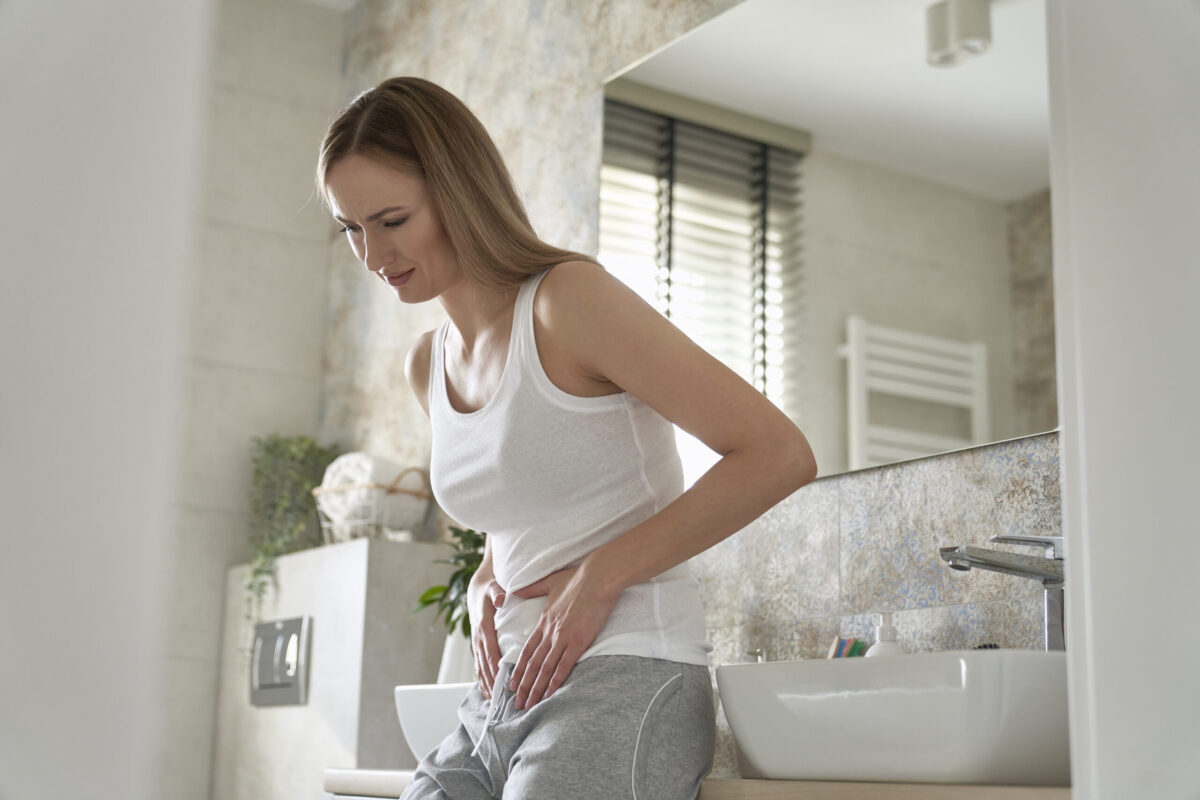
Headaches before your period, a dull pressure in your head during bleeding, or migraine right on the first day: when your cycle arrives, the pain often follows close behind. Maybe you know that familiar feeling when your head is buzzing, your body feels heavy, and every ray of light irritates you. You’re not alone in this. Many women experience recurring headaches or real migraine attacks around their period, and this has nothing to do with imagination, but very clearly with your hormonal system.
The drop in estrogen shortly before menstruation can be a strong migraine trigger. At the same time, your body becomes more sensitive during this phase: sleep, stress, nutrition, neck tension all have a stronger impact than usual. In this article, we’ll take a look at why headaches occur during your cycle, how you can tell them apart, and, most importantly, what truly helps in a gentle way, without pressure and without forcing yourself.
Your body is working, and you’re allowed to support it.
How hormones influence your nervous system
Hormones don’t just affect your cycle, they also influence your nervous system – and this is exactly why many women react more sensitively to stimuli during certain cycle phases. When estrogen drops or progesterone rises, the way pain is processed in the brain changes.
Estrogen normally stabilizes your blood vessels and has a calming effect on the nervous system. When levels fall sharply before your period, nerve pathways become more easily irritated, vessels respond more sensitively, and your body perceives pain much more intensely. This is exactly what leads to migraine, pressure sensations, or pulsating headaches.
This hormone-related increase in sensitivity is not a sign of weakness – it is a natural reaction of your body. When you understand this, you can better recognize your needs and respond to them more intentionally.
Why headaches occur during the cycle
Headaches during the cycle are almost always connected to hormones. The strong drop in estrogen shortly before bleeding begins affects blood vessels, the nervous system, and how pain is processed in the brain.
Why the drop in estrogen triggers headaches
Estrogen has a stabilizing effect on blood vessels and the nervous system. When levels fall abruptly, the following happens:
- Blood vessels become more sensitive
- The nervous system becomes more reactive, and pain signals are perceived more easily
- The fluctuation can also lead to an imbalance in water and minerals which further intensifies headaches
This combination can trigger a real migraine attack. Many women report that the pain “pulsates”, often accompanied by sensitivity to light or noise, nausea, or difficulty concentrating.
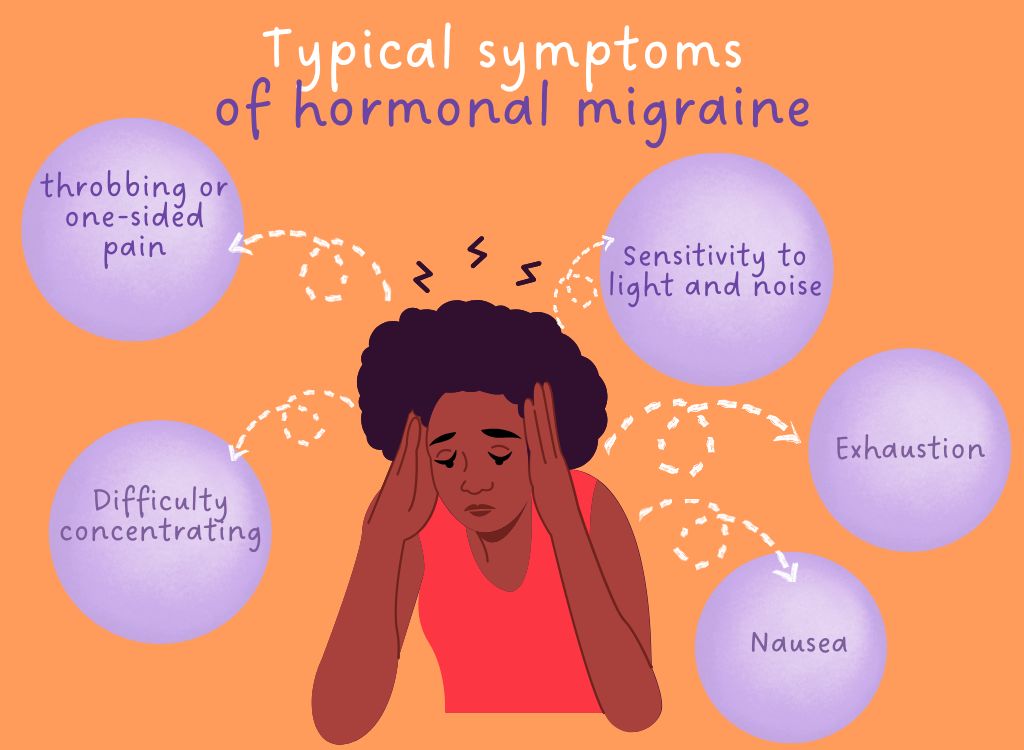
Many women say: “It feels like my whole head is throbbing.” And yes, that’s typical – hormonal migraine is often more intense than other types of headaches.
When headaches typically occur
Depending on the phase of your cycle, hormone levels shift – and with them, the type of headache you may experience:
- Before your period (premenstrual phase)
The drop in estrogen can trigger migraine or strong headaches. Often felt in the forehead or eye area.
Accompanying symptoms may include nausea, pressure behind the eyes, or even hot flashes. - During your period
Low hormone levels plus mineral loss can encourage head pressure or migraine. Some also feel more pain when the body is working intensely (for example cramps or blood loss). - After ovulation / luteal phase
As progesterone rises, tension headaches can develop – often dull, located at the back of the head or neck, with pressure and fatigue.
Your cycle headaches – explained in a nutshell
Sometimes a quick overview is more helpful than long explanations. Here you can see at a glance which type of headache is typical in which cycle phase – and why your body reacts the way it does:
Cycle phase | Hormone status | Typical headaches | Why does this happen? |
Before your period | Estrogen drops sharply | Migraine, forehead / eye area | Nervous system becomes more sensitive |
Period | Estrogen low, prostaglandins high | strong headaches, nausea | Vessels sensitive, mineral loss |
After ovulation | Progesterone rises | pressure in back of head, tension | temperature rise, water retention |
Ovulation | Estrogen peak | rarely migraine | vessels briefly dilate |
Where headaches occur and why
Not all headaches feel the same. The location of the pain often gives clues to the cause:
- Forehead / eye area
Common shortly before your period when hormones fluctuate. The vessels in this area react particularly sensitively to hormonal drops, which can cause stabbing or pressing pain. - Back of head / neck
Often tension headaches or dull pressure – caused by muscle tightness, sleep issues or hormonally induced water or salt retention. - Unilateral, pulsating headaches
Typical of migraine. Hormonal fluctuations influence the vascular and nervous system in the brain and can trigger migraine attacks, often without aura. - Headache + nausea / hot flashes
Occurs when migraine or hormonal changes combine with autonomic reactions. Your body signals that it is under strain – this is when intentional rest and support help most.
What really helps now: 6 gentle ways to ease cycle headaches
You don’t have to fight through the pain. Many simple, gentle measures can help give your body what it needs right now.
Heat and relaxation
A hot water bottle on your neck or shoulders relaxes tense tissue, improves circulation and often relieves tension headaches.
Magnesium and mindful nutrition
Magnesium can help ease muscle tension and calm the nervous system, especially when you lose minerals during menstruation. Foods rich in magnesium can be helpful as well.
Tea and hydration
Gentle teas like peppermint, ginger or chamomile soothe body and mind, can reduce nausea and help release stress and headaches.
Gentle movement and yoga
Light yoga creates space for relaxation, eases tension and calms the nervous system. Especially helpful: calm, gentle poses and breathwork ideal for hormonal headaches.
Breathing and rest
Deep, mindful belly breathing calms your nervous system. A short pause in the dark or a quiet moment can help interrupt the pain.
Caring for circulation and cycle awareness
Hydration, regular sleep, gentle movement, mindful eating and stress reduction help prevent headaches. Observing your cycle helps you anticipate when your body needs support — and to respond intentionally.
Yoga, breathing and massage – why they really help
Gentle movement, conscious breathing and light massages can make an enormous difference with hormonal headaches. They don’t work “mystically” but physically and logically.
Why yoga relieves headaches
During your cycle, your neck, shoulders and upper back are often more tense than usual – stress, PMS, period pain and sleep changes all play a role. Gentle yoga releases tension, improves circulation and calms the nervous system.
Ideal are grounding, slow positions:
- Child’s pose (Balasana) – relieves the neck, calms heart and mind
- Cat-cow (Marjaryasana/Bitilasana) – loosens shoulders and spine
- Seated forward fold – cools the head, reduces pressure
- Legs up the wall (Viparita Karani) – soothes the nervous system, good for nausea or hot flashes
Intense backbends or powerful flows are less suitable in this phase, as they can increase pressure in the head. Your goal: create space, not intensity.
Why the right breathing helps with headaches
When headaches begin, the body tends to tense up. Breathing becomes shallow and stress rises. Deep belly breathing interrupts this cycle:
- Inhale for 4 seconds
- Hold for 1 second
- Exhale for 6–8 seconds
The prolonged exhale activates the “rest-and-digest” nerve (parasympathetic system), which calms pain perception and reduces tension.
Why massages are so effective for headaches
Gentle massages at the temples, neck and back of the head release local tension that often builds up especially in the luteal phase. A few minutes of light circular movements:
- at the temples
- along the hairline
- on the upper neck
- or right where the skull meets the neck
are often enough to reduce pressure. Important: no strong pressure – the goal is relief, not muscle work.
How hormones trigger headaches and migraine
If you prefer visual explanations, this English video is a great addition. It clearly shows how hormonal fluctuations influence migraine and headaches and why some days of your cycle are much more sensitive than others.
7 preventive tips that take the pressure off cycle headaches
You can’t fully prevent hormonal headaches, but you can strengthen your body so they occur less frequently or are much milder. Many women notice a difference after just one or two cycles.
1. Keep a stable sleep rhythm
Especially before your period, your nervous system reacts more sensitively. A consistent sleep schedule helps reduce strain.
2. Stay hydrated
Water and warm herbal teas support circulation, ease tension headaches and help your body stay balanced.
3. Reduce stress intentionally
Just a few minutes of relaxation each day – breathing, meditation or a pause in the dark – can significantly reduce headaches.
4. Keep an eye on magnesium and iron
You lose minerals during your period. Magnesium deficiency can intensify tension headaches, and iron deficiency can worsen fatigue and head pressure (especially with heavy bleeding).
5. Movement – gentle but regular
Light movement, walks, yoga or gentle stretching help prevent tension and stabilize the nervous system.
6. A warm routine before your period
Applying heat to your neck or lower back a few days before your period can prepare the body and prevent tension.
7. Track your cycle consciously
The more you know about your sensitive days, the earlier you can respond – for example with rest, tea, magnesium or a calming yoga session.
Conclusion: Gentle support for you and your head
Headaches or migraine during the menstrual cycle are not a sign that you are “too sensitive” – they simply show how powerful your hormones are and how sensitively your nervous system responds to these changes. The better you understand your body, the easier it becomes to support it in each phase. Heat, tea, gentle movement, conscious breathing and small moments of rest can already take a lot of pressure off your head.
Allow yourself to slow down when your body asks for it. You don’t have to endure or “perform.” Your cycle is a natural rhythm and you’re allowed to move softly within it, lean into it and take good care of yourself.
Gentle support for your cycle – our favorite helpers
If your body needs more rest and balance around your period, small natural tools can make a big difference. Our PapayaCup products are designed exactly for that: soft, body-friendly, safe and so comfortable that you can move more freely – even on days when your head is hurting.
Our recommendations for you:
- PapayaCup menstrual cup: ultra-soft, flexible and ideal if you want more comfort during your period and want to reduce pelvic floor strain.
- Papaya Disc: our menstrual disc is perfect for those who prefer an alternative placement and want maximum freedom, even with a heavy period.
- Hormonal Balance Infusion: a gentle herbal blend that can support you with PMS, headaches and inner restlessness. It warms, soothes and helps your body return to balance.
Find what fits your body – without pressure, in your own time.

FAQ about headaches during the cycle
Shortly before your period, your estrogen levels drop significantly. This hormonal shift makes your nervous system more sensitive and can trigger migraine or pressure headaches. Prostaglandins also play a role by increasing uterine cramps, which often radiate into the head.
If you’d like to learn more about hormonal connections, you can find our article on nutrition & hormones in the cycle
Many women feel fast relief from heat on the neck, a cup of peppermint or ginger tea, magnesium, a short break in a dark room and gentle neck or temple massage. What matters most: you don’t have to push through the pain. Small steps often help more than big ones.
Hormonal migraine is triggered by the drop in estrogen. What can help: regular sleep, less caffeine before your period, magnesium from the second half of your cycle onward, yoga poses like child’s pose and slow breathing techniques. Many also feel relief from peppermint oil on the neck and temples.
In the days before menstruation, your hormones fluctuate intensely. This rapid shift is a typical trigger for forehead headaches, migraine or pressure behind the eyes. At the same time, you’re more sensitive to stress, tension and lack of sleep during this phase.
During your bleeding phase, estrogen and serotonin are at their lowest. Your body loses blood and minerals such as magnesium, and prostaglandins can intensify abdominal and head pain. This combination makes the head more reactive, especially during the first days.
If the pain suddenly becomes extremely strong, lasts longer than three days, comes with vision issues or numbness, or feels very different from your “usual” cycle headaches. Trust your intuition – you don’t have to wait until it becomes unbearable.

Note
Even though we want to inform and support you here as best as possible, we do not replace medical advice. If your headaches suddenly become very severe, last longer than usual, or are accompanied by symptoms such as visual disturbances, numbness, fever or unusually strong exhaustion, please consult a doctor. Your body knows its limits, and it is always the right choice to be on the safe side.