



How to Know if Your Period is Normal and What Signs You Shouldn’t Ignore
26 de January de 2026
Mood Swings Before Your Period: How to Reduce Premenstrual Stress
10 de February de 2026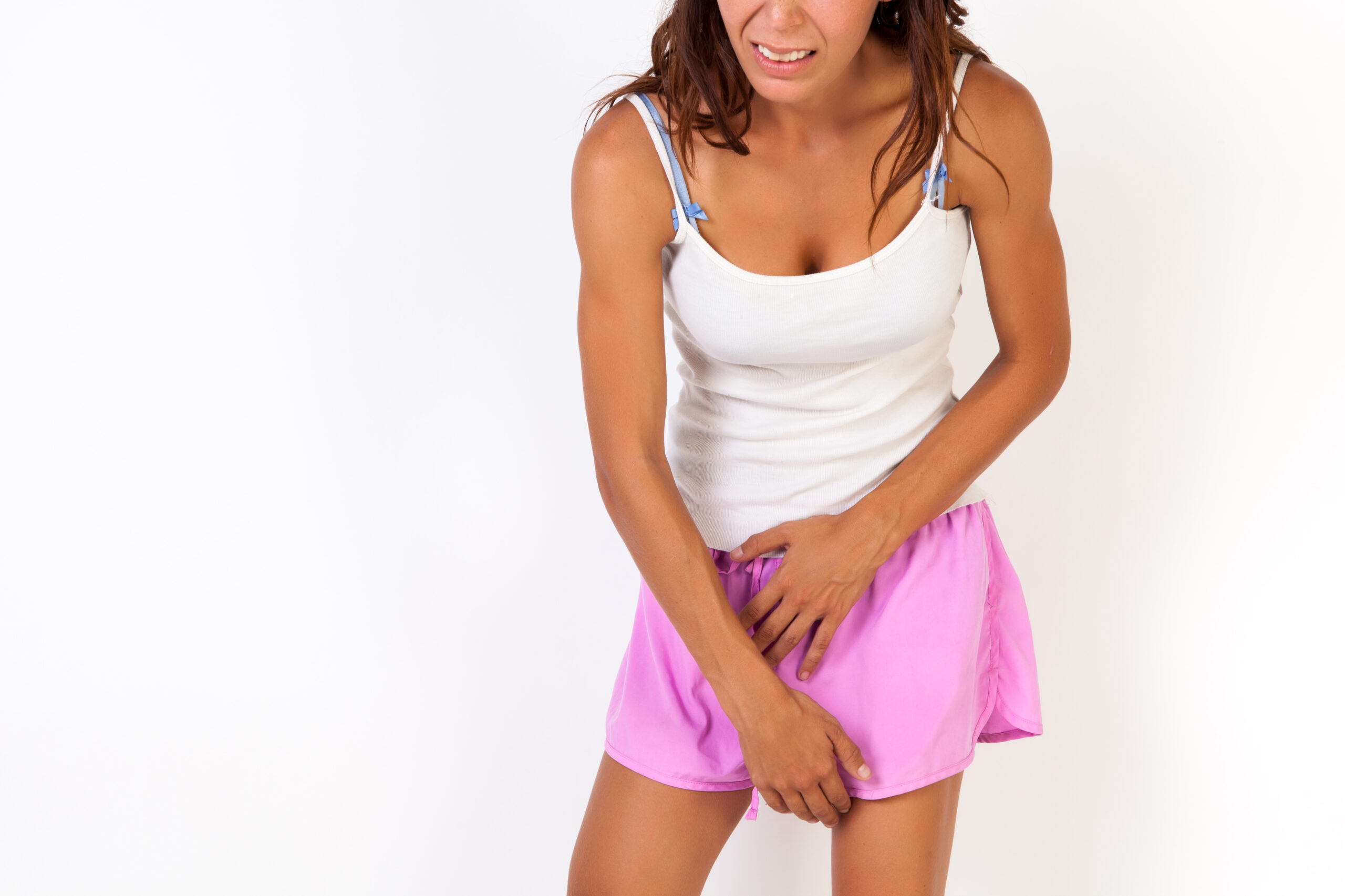
Skin irritation during menstruation is a common experience, but it's not always well understood. Itching, redness, burning, or a stinging sensation in the intimate area often appear right on the days of bleeding and can cause both physical and emotional discomfort. While many people assume it's "a normal part of the cycle," the truth is there are specific causes and, above all, real solutions to relieve and prevent it.
Inhaltsverzeichnis
- What is Skin Irritation During Menstruation
- Why Skin is More Sensitive During Your Period
- Common Causes of Skin Irritation During Menstruation
- How to Relieve Skin Irritation During Menstruation
- Menstrual Cup or Menstrual Disc: Impact on Irritation
- When Irritation Requires Additional Attention
- The Relationship Between Menstrual Comfort and Daily Well-being
- Skin Irritation and Sustainability: An Indirect Connection
- Conclusion: Understanding Irritation to Reduce It
- FAQ: Skin irritation during menstruation
Skin irritation during menstruation is a common experience, but it's not always well understood. Itching, redness, burning, or a stinging sensation in the intimate area often appear right on the days of bleeding and can cause both physical and emotional discomfort. While many people assume it's "a normal part of the cycle," the truth is there are specific causes and, above all, real solutions to relieve and prevent it.
Understanding why skin irritation occurs during this stage of the cycle is the first step to reducing it. It's not just about hormonal sensitivity: menstrual products, friction, moisture, vaginal pH, and certain daily habits directly influence it. This article offers a clear and structured overview of the most common causes and the most effective ways to relieve irritation, from an informative, responsible perspective based on real-world use experience.
What is Skin Irritation During Menstruation
Skin irritation during menstruation usually manifests in the vulva, perineum, and inner thighs. Unlike infections or other dermatological problems, it tends to appear temporarily, coincides with bleeding, and disappears at the end of the period.
The most common symptoms include:
- Localized redness
- Itching or a stinging sensation
- Skin sensitive to touch
- Dryness or, conversely, excess moisture
- Minor discomfort when walking or sitting
In most cases, it is not a pathology, but a skin reaction to physical and external changes typical of those days.
Why Skin is More Sensitive During Your Period
Menstruation involves a series of hormonal changes that directly affect the skin. The drop in estrogen can reduce the skin's ability to retain moisture and strengthen its natural barrier. This makes the intimate area more reactive to friction, prolonged moisture, or certain materials.
Furthermore, menstrual flow temporarily alters the environment of the intimate area. The combination of blood, body heat, and lack of ventilation creates a context in which the skin can become irritated more easily if the right conditions are not met.
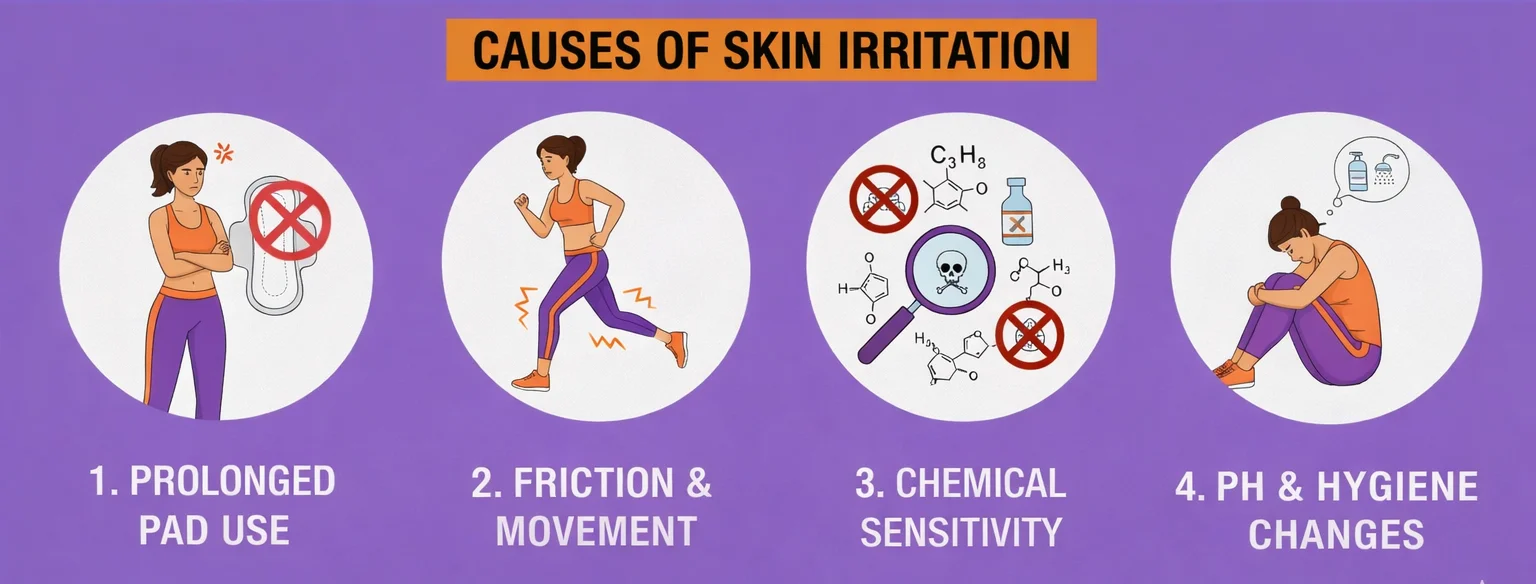
Common Causes of Skin Irritation During Menstruation
Prolonged Use of Pads and Panty Liners
Disposable pads, especially those containing plastics, perfumes, or superabsorbent gels, are one of the most frequent causes of skin irritation. They retain moisture, generate constant friction, and hinder natural perspiration.
When the skin remains damp for hours, its defense capacity decreases, making it easier for redness and discomfort to appear.
Friction and Movement
Walking, sitting, or doing sports with products that do not fit the body well can cause repeated rubbing in sensitive areas. This friction, combined with moisture and heat, is a key factor in skin irritation during menstruation.
Sensitivity to Materials or Chemicals
Many people are sensitive to fragrances, bleaching agents, or adhesives present in conventional menstrual products. Even without a diagnosed allergy, repeated contact can progressively cause skin irritation.
Changes in pH and Microbiota
During your period, vaginal pH can vary slightly. The use of products that further alter that balance, such as harsh intimate soaps or douches, can contribute to an external burning or itching sensation.
Excessive or Inappropriate Hygiene
Cleaning the intimate area too frequently or with non-specific products can weaken the skin's natural barrier. Paradoxically, trying to "feel cleaner" can worsen irritation.
How to Relieve Skin Irritation During Menstruation
Prioritize Menstrual Products That Respect the Skin
One of the most effective changes is to review the type of menstrual protection used. Reusable internal alternatives, such as menstrual cups or menstrual discs, eliminate constant contact with the external skin and significantly reduce moisture and friction.
In the collection of menstrual cups at PapayaCup and in the menstrual disc section, you can find options made from medical-grade silicone, a biocompatible, soft material without irritating additives.
Choose the Right Size
A poorly fitted internal product can cause indirect discomfort or provoke unnecessary movement. Using a size that fits your body well is key for comfort and preventing irritation.
The size guide helps identify which option best suits factors like age, flow, or anatomy, reducing the risk of discomfort during use.
Maintain Gentle and Mindful Hygiene
During menstruation, less is often more. Cleaning the intimate area once or twice a day with warm water and, if desired, a mild, fragrance-free product is usually sufficient. Avoiding scrubbing with sponges or rough towels helps protect sensitive skin.
Thoroughly drying the area after washing is equally important to avoid prolonged moisture.
Use Breathable Underwear
Tight clothing and synthetic fabrics can aggravate skin irritation. During your period, opting for cotton underwear and less tight-fitting pants promotes ventilation and reduces friction.
Give the Skin Time to Recover
If irritation is already present, it's advisable to avoid any additional stimuli. Reducing the use of perfumed products, limiting intense physical activity for a day or two, and allowing the skin to rest usually speeds up recovery.
Menstrual Cup or Menstrual Disc: Impact on Irritation
Many people who suffer from skin irritation during menstruation notice a clear improvement when switching to internal methods. Both the cup and the disc reduce contact of the flow with the external skin and eliminate the need for adhesives or plastic layers.
The choice between one or the other depends on individual factors. The article menstrual cup or menstrual disc: which fits better explains the differences in use, placement, and sensation, helping you make an informed decision based on your body and lifestyle.
When Irritation Requires Additional Attention
Although skin irritation during menstruation is usually mild and temporary, there are situations where it is advisable to consult a healthcare professional:
- If the redness does not disappear after the period
- If intense pain or abnormal discharge appears
- If cracks, wounds, or external bleeding occur
- If the irritation worsens with each cycle
These signs may indicate a different condition that requires specific diagnosis.
The Relationship Between Menstrual Comfort and Daily Well-being
Reducing skin irritation is not just a physical matter. Constant discomfort can affect rest, concentration, and mood during menstruation. Feeling comfortable with your own body and the products you use has a direct impact on the experience of the menstrual cycle.
From this perspective, solutions that prioritize body adaptation, reduction of external stimuli, and respect for the skin gain relevance, not as a trend, but as a practical response to a real need.
Skin Irritation and Sustainability: An Indirect Connection
Indirectly, many people discover that by opting for reusable products they not only reduce skin irritation but also the volume of waste generated each month. Fewer daily changes, fewer synthetic materials, and less chemical contact are part of a more stable and predictable experience.
This approach does not seek to impose decisions, but to show how different factors of daily use can influence menstrual comfort.
Conclusion: Understanding Irritation to Reduce It
Skin irritation during menstruation is neither inevitable nor should it be normalized as a mandatory part of the cycle. In most cases, it is related to identifiable factors such as the type of menstrual protection, moisture, friction, or the use of inappropriate products.
Understanding these causes allows for the introduction of small but effective changes, from adjusting hygiene to rethinking the menstrual method used. When the skin is no longer subjected to constant stimuli, it usually recovers its natural balance.
Each body responds differently, but having clear information and skin-friendly options can make a difference throughout the cycle. At PapayaCup, reusable menstrual solutions are developed designed to adapt to the body, reduce contact with external skin, and offer a more comfortable experience during menstruation. Learning about these products and choosing the one that best fits each body can be a simple step towards a calmer and more conscious period.
FAQ: Skin irritation during menstruation
Yes, it is common. Hormonal changes, moisture, and friction can make the skin more sensitive during menstruation.
They can contribute, especially if worn for many hours or if they contain fragrances and synthetic materials that increase friction and moisture.
In many cases, yes, because it prevents constant contact between menstrual flow and the external skin. Medical-grade silicone options, such as PapayaCup, are often better tolerated.
Maintaining gentle hygiene, wearing breathable cotton underwear, and avoiding scented products can support the skin’s natural recovery.
If the irritation does not improve after your period, worsens with each cycle, or is accompanied by intense pain, it is advisable to seek medical guidance.